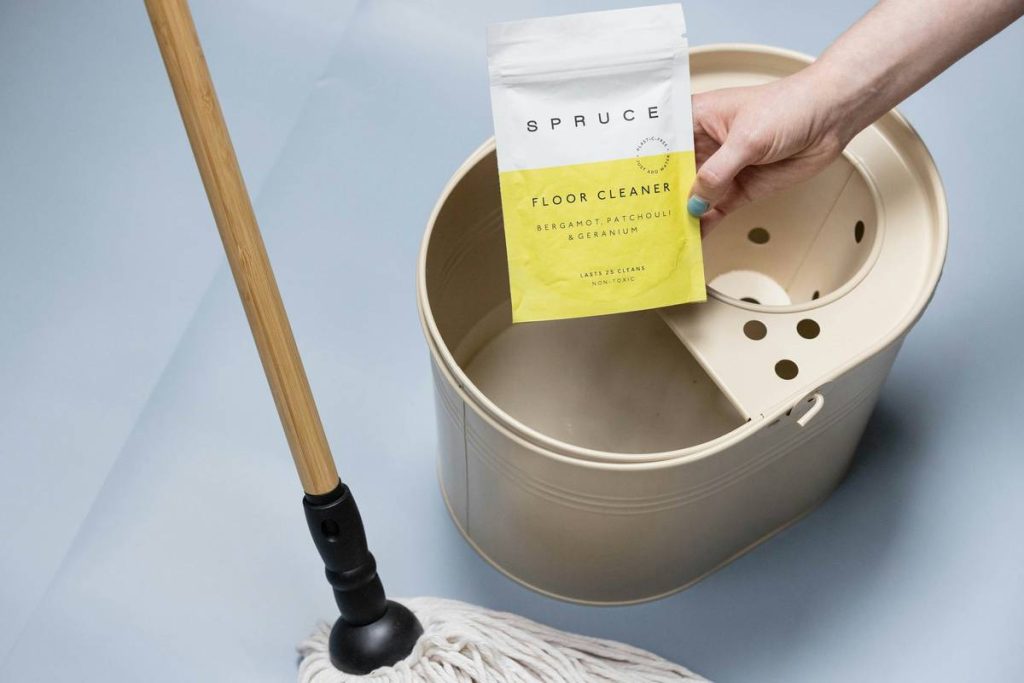
You mop weekly. Maybe even daily. Yet that sticky film keeps returning—bare feet feel grit, kids smear tracked-in dirt seconds after you finish, and your “clean” kitchen still smells faintly musty. Standard disposable or cotton pads just push grime around. They don’t lift it. The real solution? Ditch disposables for high-performance house microfiber mop pads—engineered to trap dust, not redistribute it.
The Dirty Secret of Conventional Mopping
Most mops are glorified sponges with delusions of grandeur. Cotton loops absorb water—but they also harbor bacteria like a petri dish left in the sun. Disposable pads cost $2–$5 per use and end up in landfills within hours. And traditional string mops? They scratch finishes and leave streaks that dry into cloudy residues.
Here’s the reality: if your pad isn’t designed with split-fiber microfilaments, it’s not cleaning—it’s cosplaying cleanliness.
How to Choose & Use House Microfiber Mop Pads Like a Pro
Not all microfiber is created equal. Density, fiber split ratio, and backing material determine whether your pad lifts debris—or just smears it into a damp paste.
Pad Selection Criteria That Actually Matter
Look for 300+ GSM (grams per square meter) weight—lighter pads fluff but don’t grip. The fibers should be split at a microscopic level; this creates capillary channels that wick away moisture and lock in particles. Avoid pads with nylon stitching on the cleaning surface—it reduces contact area and scratches delicate floors.
Washing Without Ruining Performance
Never use fabric softener. It coats fibers with silicone, clogging those vital micro-channels. Wash in cold water with mild detergent only. Tumble dry low—or better yet, air dry. High heat melts microfibers, turning your pad into a lint-shedding liability.
When to Replace vs. Repair
If your pad stiffens, loses its “grab,” or starts shedding fuzz balls—it’s done. Most quality pads last 300–500 washes. But if it’s just stained? Soak in oxygen bleach (not chlorine!) overnight. Stains ≠ dead performance.
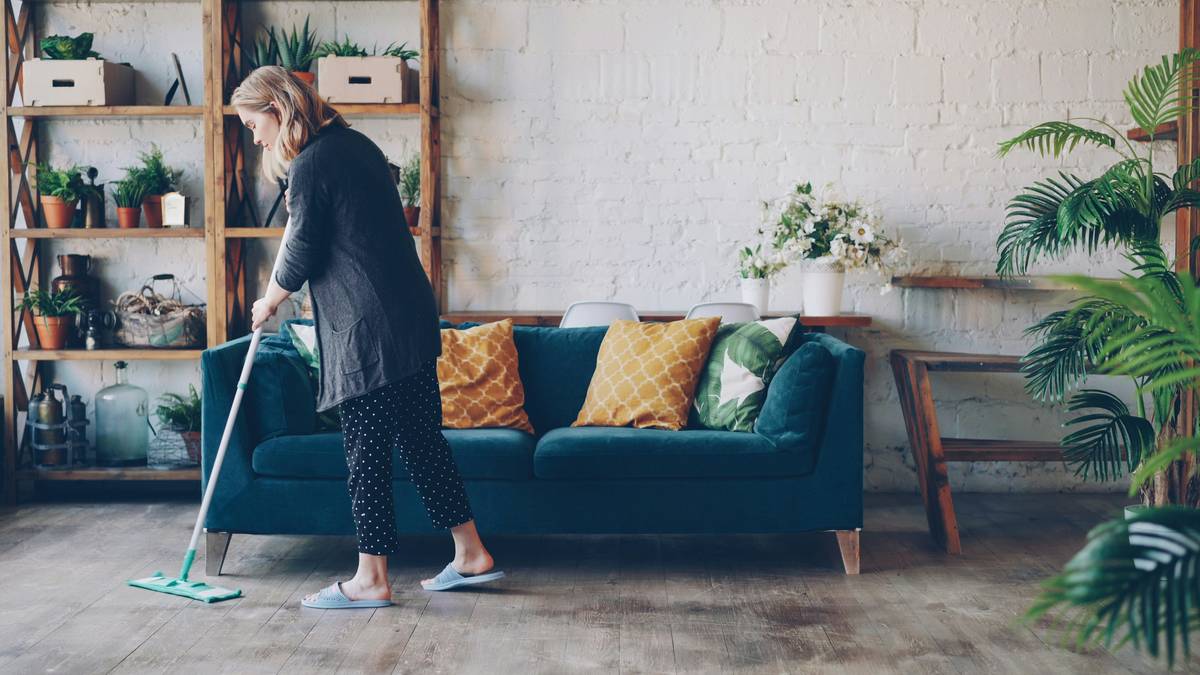
| Cleaning Method | Upfront Cost | Cost per Use (Over 1 Year) | Effectiveness on Hardwood | Eco-Impact |
|---|---|---|---|---|
| Disposable Pads | $15 (mop + starter pack) | $0.85 | Poor – leaves residue | High waste, non-recyclable |
| Cotton String Mop | $20 | $0.10 | Fair – absorbs but streaks | Medium – reusable but high water use |
| House Microfiber Mop Pads | $25 (mop + 3 pads) | $0.03 | Excellent – no streaks, deep clean | Low – fully reusable, minimal water |
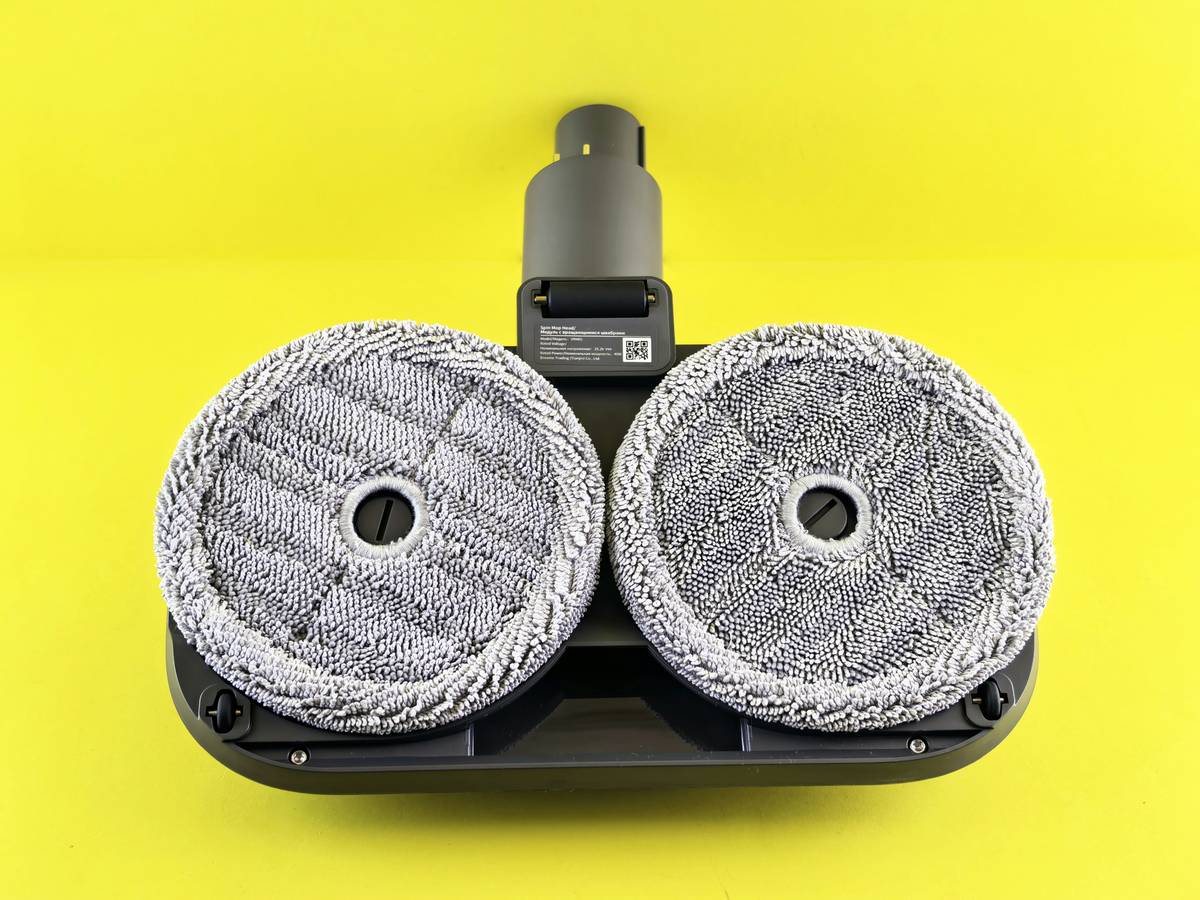
The Industry Secret Big Brands Don’t Want You to Know
Here’s what manufacturers won’t say: most “eco-friendly” mop systems are designed for planned obsolescence. The snap-on mechanism wears out faster than the pad. But the real hack? Buy universal-fit pads with strong elastic edges—they work on nearly any flat mop head, including $10 store-brand handles. You’re not locked into proprietary refills. And those premium “self-wringing” buckets? Unnecessary. A simple wringer or even hand-squeezing works fine if your pad has dense fiber structure—it releases water cleanly without fraying.
Think about it: the pad does 90% of the work. Not the bucket. Not the handle. The pad.
Frequently Asked Questions
Are house microfiber mop pads safe for hardwood floors?
Yes—when used dry or slightly damp. Avoid soaking them; excess water can seep between planks. Always wring thoroughly.
How often should I wash my microfiber mop pads?
After every use. Trapped dirt degrades fibers over time. Quick rinse post-mop, full wash within 24 hours.
Can I use vinegar with microfiber pads?
Sparingly. Diluted vinegar (1:1 with water) is fine occasionally for disinfecting. Never mix with detergent—it reduces absorbency.