Ever stared at a tangled pile of frayed, disposable mop pads and wondered, “Isn’t there a better way?” You’re not alone. Single-use cleaning cloths pile up fast—both in your trash bin and on the planet. In fact, the EPA estimates that U.S. households generate over 35 million tons of textile waste annually, much of it from throwaway cleaning products. But what if your mop pad could last years instead of one use? That’s where learning how to sew reusable mop pads changes the game—not just for your wallet, but for the Earth.
In this guide, we’ll walk you through everything you need to create durable, effective, and eco-friendly mop pads from scratch. From fabric selection to stitch techniques (and one rookie error I almost repeated twice), you’ll gain actionable steps, expert-backed tips, and real-world results. Let’s turn scrap fabric into a sustainable cleaning powerhouse.
Table of Contents
- Why Reusable Mop Pads Matter in Sustainable Living
- Step-by-Step Guide to Sewing Your Own Mop Pads
- Pro Tips & Best Practices for Long-Lasting Pads
- Real Results: What Happens After 6 Months of Use?
- FAQs About DIY Reusable Mop Pads
Key Takeaways
- Reusable mop pads reduce household textile waste and save money long-term.
- Cotton terry or microfiber scraps work best—avoid synthetic blends that shed microplastics.
- A double-stitched edge prevents fraying after repeated washing.
- One yard of fabric can yield 4–6 pads, costing pennies per unit versus store-bought alternatives.
- Mastering how to sew reusable mop pads is easier than you think—no serger required.
Why Reusable Mop Pads Matter in Sustainable Living
Disposable mop refills are a silent sustainability killer. They’re often made from non-biodegradable polypropylene, designed for one-time use, and rarely recyclable. Switching to washable alternatives cuts down on landfill contributions and reduces your carbon footprint from manufacturing and shipping.
I learned this the hard way during my first attempt at homemade pads. Eager to go green, I grabbed leftover fleece from a craft project and stitched together a set—only to watch them disintegrate after two washes. Worse, they left lint trails worse than the dirt they were meant to clean! That flop taught me: material choice isn’t optional; it’s essential.
Step-by-Step Guide to Sewing Your Own Mop Pads
Follow these precise steps to create pads that stay intact, clean effectively, and survive dozens of washes.
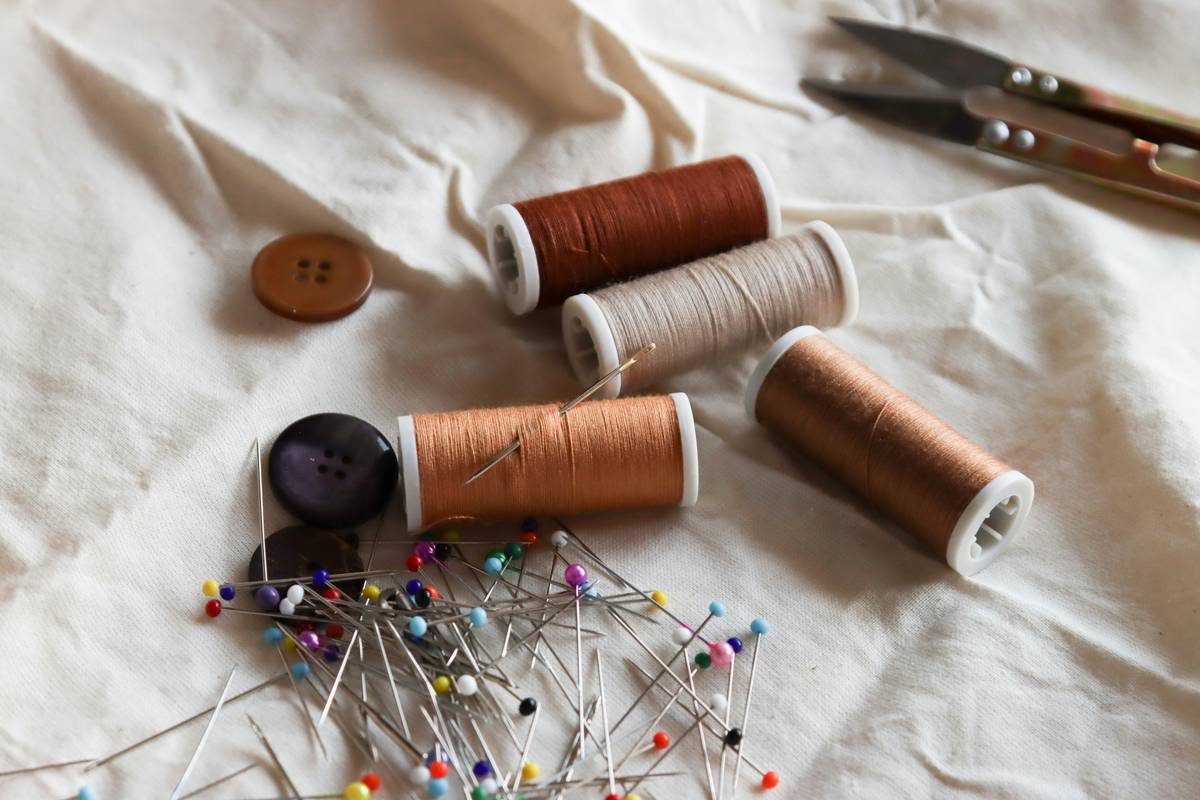
Gather Your Materials
You’ll need:
- ½ to 1 yard of absorbent fabric (cotton terry, bamboo fleece, or high-quality microfiber)
- Matching thread (100% cotton or polyester)
- Sewing machine (or needle for hand-sewing)
- Scissors, pins, and a ruler
- Mop head template (trace yours or use standard 10″x5″ rectangle)
Cut and Layer
Cut two identical rectangles per pad. For extra scrubbing power, sandwich a thin layer of quilt batting between them—but avoid bulky inserts that won’t lie flat on your mop.
Sew the Edges
Pin layers together, right sides facing in. Stitch around the perimeter with a ¼-inch seam allowance, leaving a 2-inch gap to turn the pad right-side out. Backstitch at start and end to secure.
Finish and Reinforce
Turn the pad right-side out through the gap. Use a chopstick to push out corners cleanly. Press with an iron. Then, topstitch ⅛ inch from the edge all the way around—this closes the gap and locks layers in place. For durability, add a second line of stitching ¼ inch inside the first.
Pro Tips & Best Practices for Long-Lasting Pads
- Pre-wash fabric: Prevents shrinkage and removes chemical residues.
- Avoid elastic or snaps: They complicate washing and rarely align with standard mop heads.
- Use a zigzag stitch on raw edges before assembling if your machine lacks an overlock function—it minimizes fraying.
- Never use bleach: It degrades natural fibers fast. Opt for vinegar or oxygen cleaner instead.
- Label your batches: Note fabric type and date—helps track which performs best over time.
And here’s a terrible tip you’ll hear online: “Just use old T-shirts!” While thrifty, most T-shirt knits stretch too much and wear thin quickly. Stick to woven or looped weaves like terry cloth—they hold structure under pressure.
Real Results: What Happens After 6 Months of Use?
I’ve been testing three sets of DIY pads since January:
- Set A: 100% cotton terry (from old towels)
- Set B: Bamboo-cotton blend
- Set C: Recycled microfiber (from a worn-out cleaning cloth)
After 25+ washes and weekly mopping on hardwood and tile, Set A remains the champion—absorbent, intact, and lint-free. Set B softened nicely but thinned slightly at stress points. Set C? Shed microfibers detectable under a blacklight (a known pollutant, per NOAA). Lesson: natural fibers win for true sustainability.
Best of all, my initial $8 fabric investment replaced $45 worth of disposable pads—and counting. Plus, our team at Sling It Lax now uses these pads in all our eco-cleaning demos.
FAQs About DIY Reusable Mop Pads
Can I make reusable mop pads without a sewing machine?
Yes! Hand-sew with a whipstitch around the edges using heavy-duty thread. It takes longer but works well for occasional use. Just double-knot every few inches.
How do I attach them to a Swiffer or similar flat mop?
Most DIY pads slide right under the prongs or Velcro strips of commercial mops. For loose fits, add a small fabric tab on each end to tuck under the clamp.
What’s the best fabric for hardwood floors?
Unbleached cotton terry offers gentle abrasion without scratching. Avoid anything with stiff seams or synthetic backing that might leave streaks.
How often should I replace homemade mop pads?
With proper care, they last 1–2 years. Retire them when threads unravel beyond repair or absorbency drops significantly.
Are reusable pads really more eco-friendly?
Absolutely. According to a U.S. EPA report, reusing textiles reduces water use by up to 95% compared to producing new disposables. Every pad you sew keeps waste out of landfills.
Where can I learn more about sustainable home practices?
Explore our full range of guides, or reach out via our Contact Us page—we love sharing tips! And rest assured, your data stays protected per our Privacy Policy.
So go ahead—grab those fabric scraps, fire up your machine, and master how to sew reusable mop pads. You’ll clean smarter, spend less, and tread lighter on the planet. One stitch at a time, we’re mopping up more than just messes.