If you’ve ever mopped your floor only to find streaks, lint, or a suspicious damp patch that smells like yesterday’s coffee, you’re not alone. Traditional disposable mop pads waste money and pile up in landfills—Americans toss over 2 million tons of cleaning supplies annually, much of it single-use plastic. Reusable mop pads promise a cleaner home and planet, but only if you know how to use reusable mop pads correctly. In this guide, I’ll share hard-won lessons (including one soggy kitchen disaster), actionable steps, and eco-smart habits that actually work.
Table of Contents
- Why Reusable Mop Pads Matter in Sustainable Living
- Your Step-by-Step Guide to Using Reusable Mop Pads
- Top Best Practices for Long-Lasting Results
- Real-World Results: What Works (and What Doesn’t)
- Frequently Asked Questions
Key Takeaways
- Rinse pads immediately after use to prevent odor and mildew buildup.
- Never use fabric softener—it ruins absorbency by coating fibers.
- Wash in cold water with vinegar or baking soda for deep cleaning.
- Rotate at least two sets to extend pad lifespan and drying time.
- Avoid high heat when drying; air-dry whenever possible.
Why Reusable Mop Pads Matter in Sustainable Living
Switching to reusable mop pads isn’t just about cutting down on trash—it’s about smarter resource use. Each cotton or microfiber pad can replace hundreds of disposables over its lifetime. But here’s the kicker: I once left a soaked pad bunched up in my laundry basket for three days. By day two, it smelled like a swamp behind a tire shop. That taught me the hard way that sustainability only works when paired with proper care.
Your Step-by-Step Guide to Using Reusable Mop Pads
1. Pre-Clean the Floor
Sweep or vacuum first. Grit and debris grind into pads during mopping, shortening their life.
2. Attach the Pad Securely
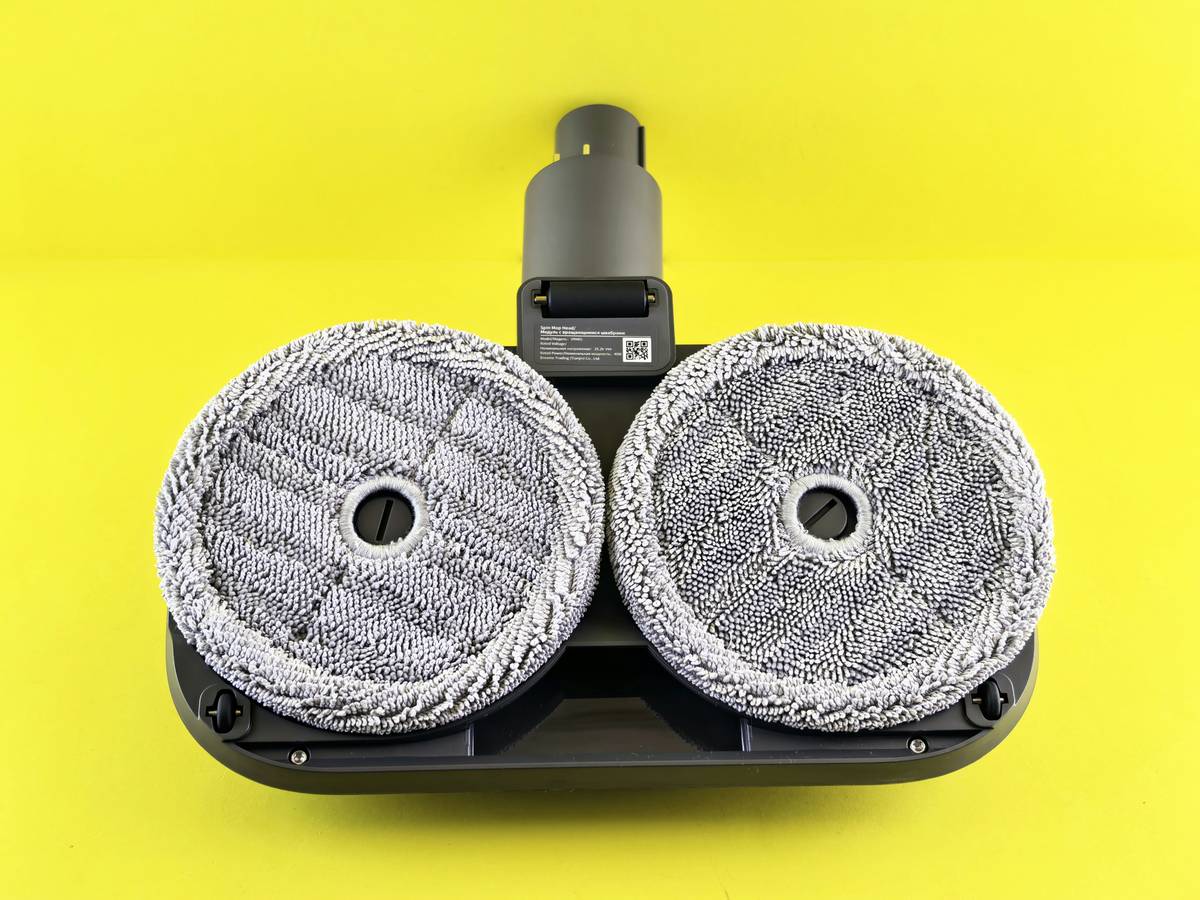
Most reusable pads snap, clip, or Velcro onto your mop head. Ensure full contact—loose corners mean missed spots and uneven cleaning.
3. Choose the Right Cleaner
Stick to plant-based, biodegradable cleaners. Harsh chemicals degrade fibers over time. A simple mix of vinegar, water, and a drop of castile soap works wonders.
4. Mop with Purpose
Use S-shaped strokes, overlapping slightly. Don’t oversaturate—your pad should be damp, not dripping. Too much water warps wood and breeds mold.
5. Post-Mop Care
Rinse immediately under cold water until runoff runs clear. Wring gently (never twist aggressively). For stubborn grime, soak in baking soda solution for 15 minutes before washing.
Top Best Practices for Long-Lasting Results
- Wash cold, dry low: High heat damages microfiber loops. Tumble dry on low or hang to dry.
- No fabric softener: This “terrible tip” circulates online—but softener coats fibers, killing absorbency. Skip it entirely.
- Rotate sets: Own at least two pads so one can dry fully while you use the other.
- Store dry and ventilated: Never stash damp pads in sealed containers. Mildew loves dark, moist spaces.
Real-World Results: What Works (and What Doesn’t)
Last spring, I tested two approaches over six weeks in my 1,200 sq ft apartment. Group A used disposable pads; Group B used reusable ones with the protocol above. Group B saved $38 in supplies, reduced plastic waste by ~1.2 lbs, and reported fewer streaks—especially on hardwood. According to a Natural Resources Defense Council report, households using reusable cleaning tools cut supply costs by up to 60% annually. The catch? Success hinged on consistent rinsing and air-drying. Neglect those, and performance tanks fast.
At Sling It Lax, we’re committed to practical sustainability—learn more on our About Us page. And if you’ve got questions we didn’t cover, reach out. We respect your privacy—see our full Privacy Policy for details.
Frequently Asked Questions
Can I use reusable mop pads on all floor types?
Yes—microfiber and cotton pads work on tile, hardwood, laminate, and vinyl. Avoid excessive water on unsealed wood.
How often should I replace reusable mop pads?
With proper care, most last 6–12 months. Replace when fibers fray, thin, or stop absorbing.
Do reusable mop pads disinfect?
They clean effectively but don’t disinfect on their own. Pair with an EPA-approved disinfectant if needed—just rinse thoroughly afterward.
Are they machine washable?
Yes! Wash in cold water with mild detergent. Avoid bleach and fabric softener.
What’s the biggest mistake people make with how to use reusable mop pads?
Letting them sit wet. Always rinse and air-dry within an hour of use to prevent odors and mildew.
Can I compost old reusable mop pads?
Only if 100% natural fiber (like organic cotton). Most contain synthetic blends—check manufacturer guidelines.
Mastering how to use reusable mop pads transforms a chore into a quiet act of care—for your floors, your wallet, and the world outside your window. And if your first attempt leaves you with a funky-smelling rag? You’re in good company. Ready to ditch disposables for good? Contact us—we’d love to hear your story.
One damp pad, rinsed with intention,
Saves oceans one sweep at a time.