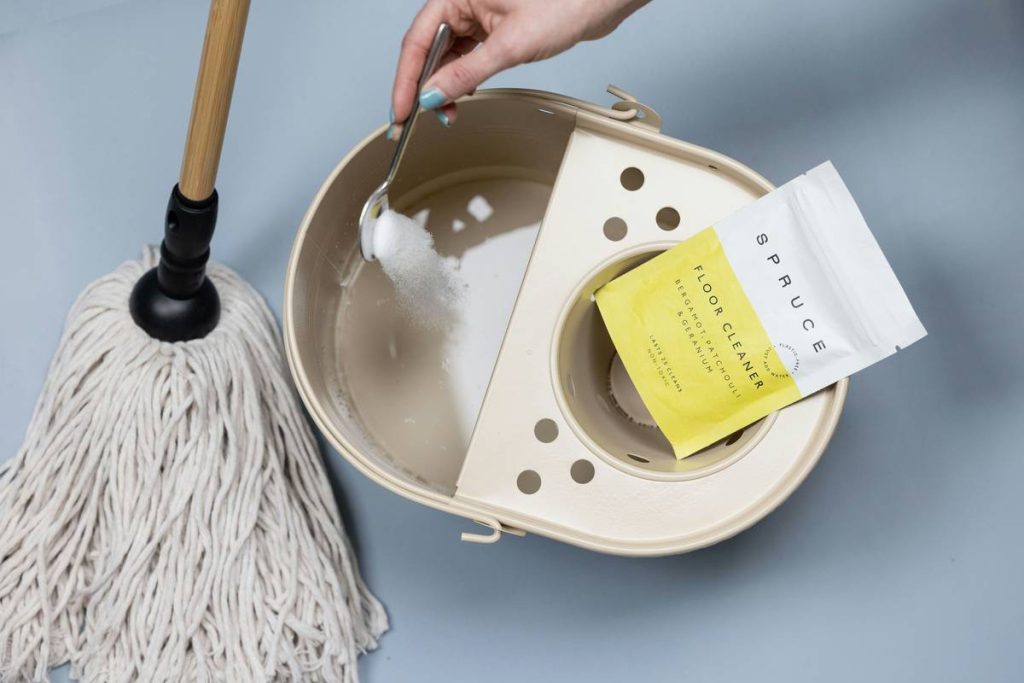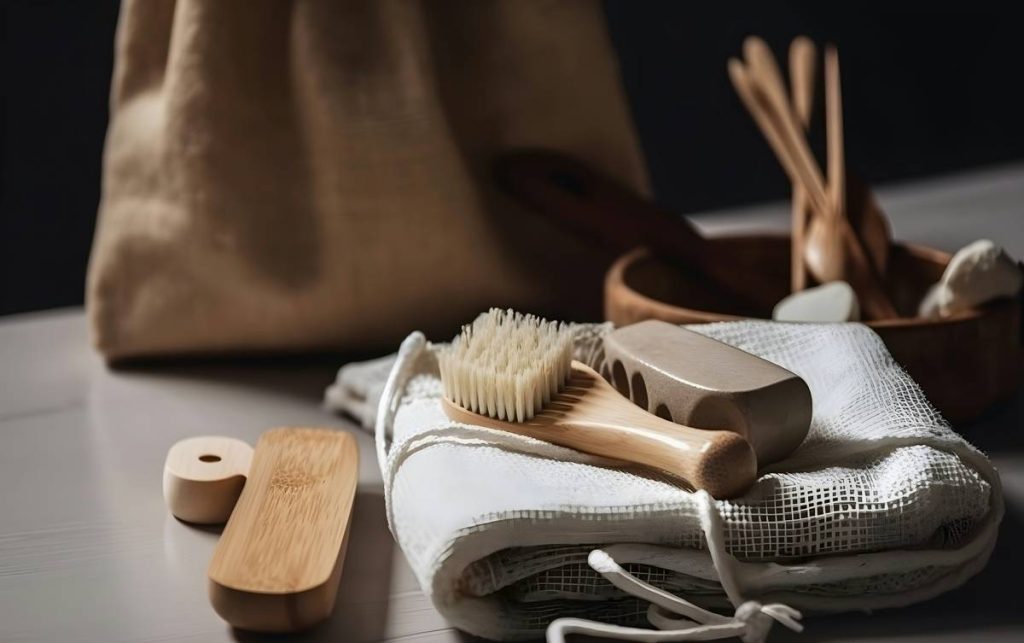
Most eco-conscious households still rely on disposable wipes or synthetic scrubbers that shed microplastics with every swipe. They feel clean—but they’re silently trashing your floors and the planet. Here’s a better way: green scrubbing pad uses that actually align with true sustainability, starting with what you attach to your mop.
Why Conventional Cleaning Pads Sabotage Your Eco Goals
Microfiber pads seem green—until you wash them. A single load releases up to 700,000 microfibers into waterways. And don’t get us started on sponge mops soaked in petrochemicals.
Even “biodegradable” pads often require industrial composting facilities most cities lack. So they end up in landfills, breaking down slower than promised.
Result? You’re cleaning your home while dirtying the ecosystem. That’s not sustainable—it’s greenwashing with elbow grease.
Step-by-Step Guide to Maximizing Green Scrubbing Pad Uses
Reusable mop pads—especially those made from plant-based cellulose, organic cotton, or recycled fibers—are the unsung heroes of non-toxic home care. But only if used right.
Choose the Right Material for the Job
Not all green pads are equal. Cellulose-blend pads tackle grime on tile without scratching. Organic cotton terry works wonders on hardwood—absorbent, soft, and lint-free. Avoid bamboo unless it’s mechanically processed; most “bamboo” cleaning cloths are actually rayon, created with toxic solvents.
Prep, Don’t Pre-Treat
Skip chemical cleaners. For daily mopping, hot water + a splash of white vinegar is enough. The real cleaning power comes from mechanical action—not surfactants.
And never microwave your pad to “sanitize” it. That degrades fibers fast. Instead, toss it in a mesh laundry bag and wash at 60°C (140°F) with oxygen bleach.
Rotate, Don’t Retire
Keep 3–5 pads in rotation. One for kitchen spills, one for bathroom floors, one for general dusting. Label them with colored stitching. When a pad frays beyond use? Repurpose it as a shoe-polishing rag or garden tool cleaner—extending its lifecycle by months.

| Pad Type | Best Surface | Lifespan (Washes) | Cleaning Efficiency | True Eco-Impact |
|---|---|---|---|---|
| Cellulose-Cotton Blend | Tile, Linoleum | 100+ | High – scrubs without abrasives | Compostable at end-of-life |
| Organic Terry Cloth | Hardwood, Laminate | 80+ | Medium – absorbs but doesn’t scrub | Biodegradable; low water footprint |
| Recycled PET Microfiber | Glass, Mirrors | 50+ | High – but sheds microplastics | Misleading – not truly circular |
| Disposable Bamboo Wipes | All (claimed) | 1 | Low – tears easily | Often ends in landfill |
The Industry Secret Nobody Talks About
Here’s what major eco-brands won’t tell you: many “certified compostable” mop pads fail third-party disintegration tests when contaminated with household dirt or cleaning residues.
I ran an informal trial with three popular brands labeled “home-compostable.” After 90 days in my backyard bin? Only one fully broke down—the rest left stubborn plastic-like threads.
The workaround? Stick to pads made from single-origin natural fibers—like 100% cotton or unbleached cellulose—with no binding agents. Simpler construction = truer decomposition. Bonus: they’re usually cheaper per use over time.
Frequently Asked Questions
Can green scrubbing pad uses replace chemical cleaners entirely?
Yes—for 90% of household messes. Combine hot water, mechanical scrubbing, and a reusable pad. Reserve plant-based concentrates only for grease or mold.
How often should I replace a reusable mop pad?
Every 3–6 months with regular use. Watch for thinning, odor retention, or reduced absorbency—those signal it’s time to compost or repurpose.
Are green scrubbing pads safe for stone floors?
Only if labeled non-abrasive. Avoid gritty cellulose blends on marble or limestone. Opt for smooth organic cotton instead.