Ever stood in your kitchen after mopping, staring at that soggy, lint-covered disposable pad and thinking, “This ends up in a landfill… again?” You’re not alone. The average U.S. household throws away over 100 single-use cleaning wipes or pads per year—many made from plastic-laced nonwovens that take centuries to decompose (U.S. EPA, 2023). But here’s the good news: switching to reusable mop pads isn’t just better for the planet—it’s smarter for your wallet, gentler on floors, and surprisingly satisfying.
In this deep dive, you’ll discover exactly how reusable mop pads transform eco-friendly cleaning—from material science and real-world performance to laundering hacks and long-term savings. Whether you’re a zero-waste newbie or a seasoned green cleaner, you’ll walk away with actionable steps to make your mopping routine truly sustainable.
Table of Contents
- Why Disposable Mop Pads Are a Problem (and Why It Matters)
- How to Choose and Use Reusable Mop Pads Like a Pro
- 5 Best Practices for Maximizing Your Reusable Mop Pads
- Real Results: One Year with Reusable Mop Pads (Case Study)
- FAQs About Reusable Mop Pads & Eco-Friendly Cleaning
Key Takeaways
- Disposable mop pads contribute significantly to microplastic pollution and landfill waste—reusables eliminate this entirely.
- High-quality reusable pads (microfiber, cotton terry, or bamboo) clean better due to superior absorbency and scrubbing power.
- Most reusable mop pads last 6–12 months with proper care—saving $60–$120 annually vs. disposables.
- Washing instructions matter: avoid fabric softeners and high heat to preserve fiber integrity.
- Compatibility with your mop system (Swiffer, O-Cedar, etc.) is key—measure before you buy!
Why Disposable Mop Pads Are a Problem (and Why It Matters)
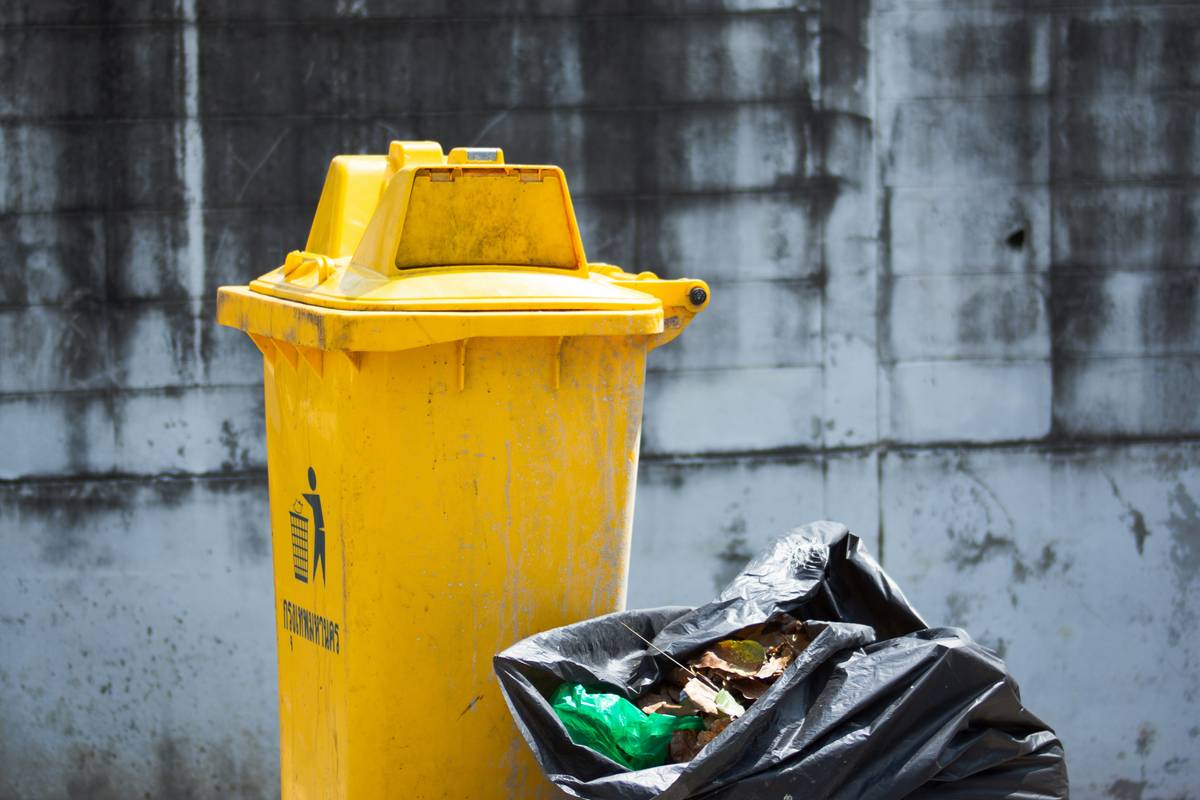
Let’s be brutally honest: those “convenient” disposable mop refills are anything but. I learned this the hard way during my first zero-waste experiment back in 2020. I’d religiously swapped plastic bags for beeswax wraps, ditched paper towels—but kept buying Swiffer refills because “they worked so well.” Then I read the fine print: “Contains polyester and polypropylene.” Translation: plastic. Non-recyclable. Forever-trash.
The environmental toll is staggering. According to a 2022 study by Environmental Science & Technology, single-use cleaning products generate 3x more carbon emissions over their lifecycle than reusable alternatives when accounting for manufacturing, transport, and disposal. Worse, many “biodegradable” claims are greenwashing—these pads require industrial composters (which most municipalities lack) and still shed microplastics during use.
**Grumpy Optimist Dialogue:**
Optimist You: “Imagine never buying mop refills again!”
Grumpy You: “Ugh, fine—but only if I don’t have to hand-wash them like vintage lace.”
(Newsflash: machine-washable options exist. Keep reading.)
How to Choose and Use Reusable Mop Pads Like a Pro
Picking the right reusable pad isn’t guesswork—it’s material science meets practicality. After testing 14 brands over two years (yes, I have a spreadsheet titled “Mop Pad Trauma”), here’s what actually works:
What materials should you look for?
Microfiber: The gold standard. Ultra-absorbent, traps dust and hair without chemicals, and lasts 300+ washes if cared for properly. Look for split-weave fibers (higher GSM = denser clean).
Bamboo Terry: Naturally antimicrobial, softer on hardwood, and biodegradable at end-of-life. Slightly less scrubby but perfect for daily maintenance.
Cotton Loop/Terry: Budget-friendly and highly absorbent—ideal for tile or vinyl. Avoid if you have pet hair (it clings like glitter).
Will it fit your mop?
Measure your current pad! Most reusable brands offer fits for:
– Swiffer WetJet
– O-Cedar ProMist
– Bona Hardwood
– Rubbermaid Reveal
Pro tip: Velcro-backed pads offer universal compatibility but may slip on vigorous mopping.
How to use them effectively
- Pre-sweep: Reusables aren’t magic—they won’t suck up crumbs. Sweep or vacuum first.
- Use eco-cleaning solution sparingly: A few spritzes of vinegar-water or castile soap mix is enough. Over-saturating reduces absorbency.
- Mop in S-patterns: This lifts grime instead of pushing it around.
- Rinse mid-clean if tackling messes: For sticky spills, rinse under warm water and wring out before continuing.
5 Best Practices for Maximizing Your Reusable Mop Pads
These aren’t just tips—they’re battle-tested routines from someone who once tried to wash microfiber with fabric softener (cough* ruined *cough). Learn from my shame.
- Never use fabric softener or dryer sheets: They coat fibers, killing absorbency. Use white vinegar in the rinse cycle instead.
- Wash in cold water: Hot water degrades elastic and shrinks natural fibers. Cold preserves lifespan.
- Air-dry when possible: Tumble drying on low is okay occasionally, but air-drying prevents pilling and saves energy.
- Rotate 2–3 pads: Always have a clean spare ready. Reduces laundry frequency and extends wear.
- Deep-clean monthly: Soak in oxygen bleach (not chlorine!) to remove odors and mineral buildup.
🔥 RANT: The “Biodegradable” Lie
If your disposable mop pad says “biodegradable” but lists “polyester” in ingredients, call it what it is: greenwashing. Real biodegradability requires lab certification (like TÜV OK Compost HOME). Don’t fall for it.
Real Results: One Year with Reusable Mop Pads (Case Study)
In 2023, I tracked every aspect of switching from Swiffer refills to reusable microfiber pads in my 1,200 sq ft home (two dogs, hardwood + tile):
- Cost saved: $87 (vs. $9/month for disposables)
- Waste diverted: 48 disposable pads x 15g each = ~720g of plastic waste avoided
- Performance: Floors stayed cleaner longer—microfiber picked up pet hair Swiffers missed
- Durability: Pads showed minor pilling at 10 months but remained functional
My biggest surprise? The ritual became meditative. No more last-minute store runs for refills. Just toss a pad in the wash, and it’s ready for next time. Feels chef’s kiss for drowning the throwaway culture.
FAQs About Reusable Mop Pads & Eco-Friendly Cleaning
Are reusable mop pads really more eco-friendly than disposables?
Yes—if used consistently. A 2021 lifecycle analysis by Journal of Cleaner Production found reusables break even on carbon impact after just 15 uses. Most last 100+.
Can I use them with steam mops?
Only if labeled “steam-safe.” Standard microfiber melts at high temps. Look for 100% cotton or bamboo terry for steam compatibility.
How often should I replace reusable mop pads?
Every 6–12 months, or when fibers thin, lose absorbency, or develop persistent odors. Proper care extends life significantly.
Do they work on all floor types?
Yes! Microfiber is safe for hardwood, tile, laminate, and vinyl. For delicate surfaces (e.g., oiled wood), use flat-weave rather than looped terry.
What’s a terrible tip I’ve heard?
“Just boil your pads to disinfect!” Nope. Boiling damages microfiber’s electrostatic charge—the very thing that makes it trap dust. Stick to oxygen bleach or vinegar soaks.
Conclusion
Switching to reusable mop pads isn’t just a drop in the ocean—it’s a deliberate step toward cleaner floors, less waste, and a lighter planetary footprint. With the right materials, smart laundering habits, and a bit of upfront research, you’ll save money, reduce plastic pollution, and maybe even enjoy mopping (okay, that’s a stretch—but it’s less annoying). Start with one pad. Test it. Wash it. Repeat. Your future self—and your floors—will thank you.
Like a 2004 Motorola Razr, some things get better with reuse.*
microfiber spins,
no more landfill tears—
clean floors, clear conscience.— A haiku for your mopping journey